BackgroundEvent · source: s2.q4cdn.comPublished · no paid links in news
Primary source: Amazon Q2 2026 earnings release (Jul 30, 2026)
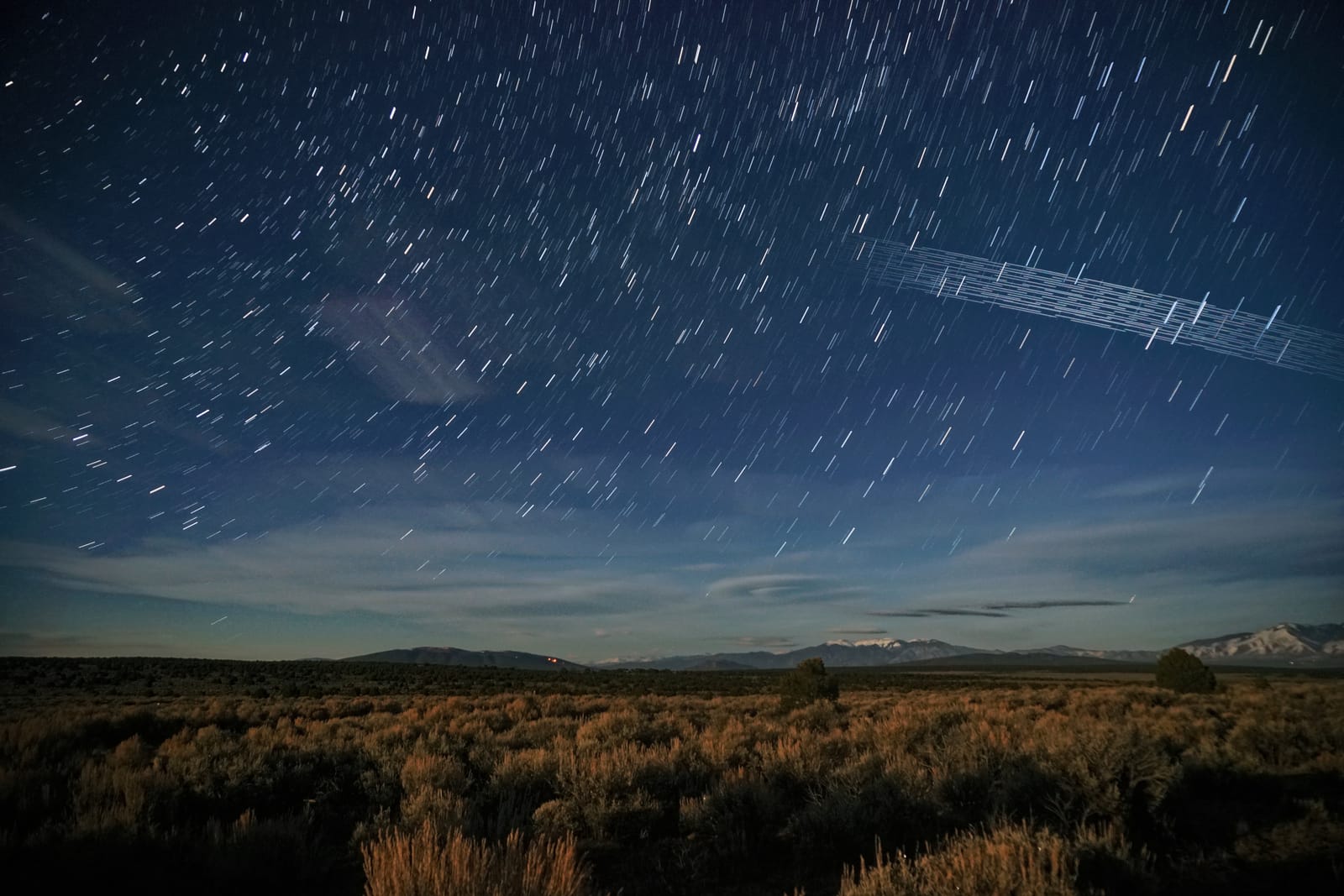
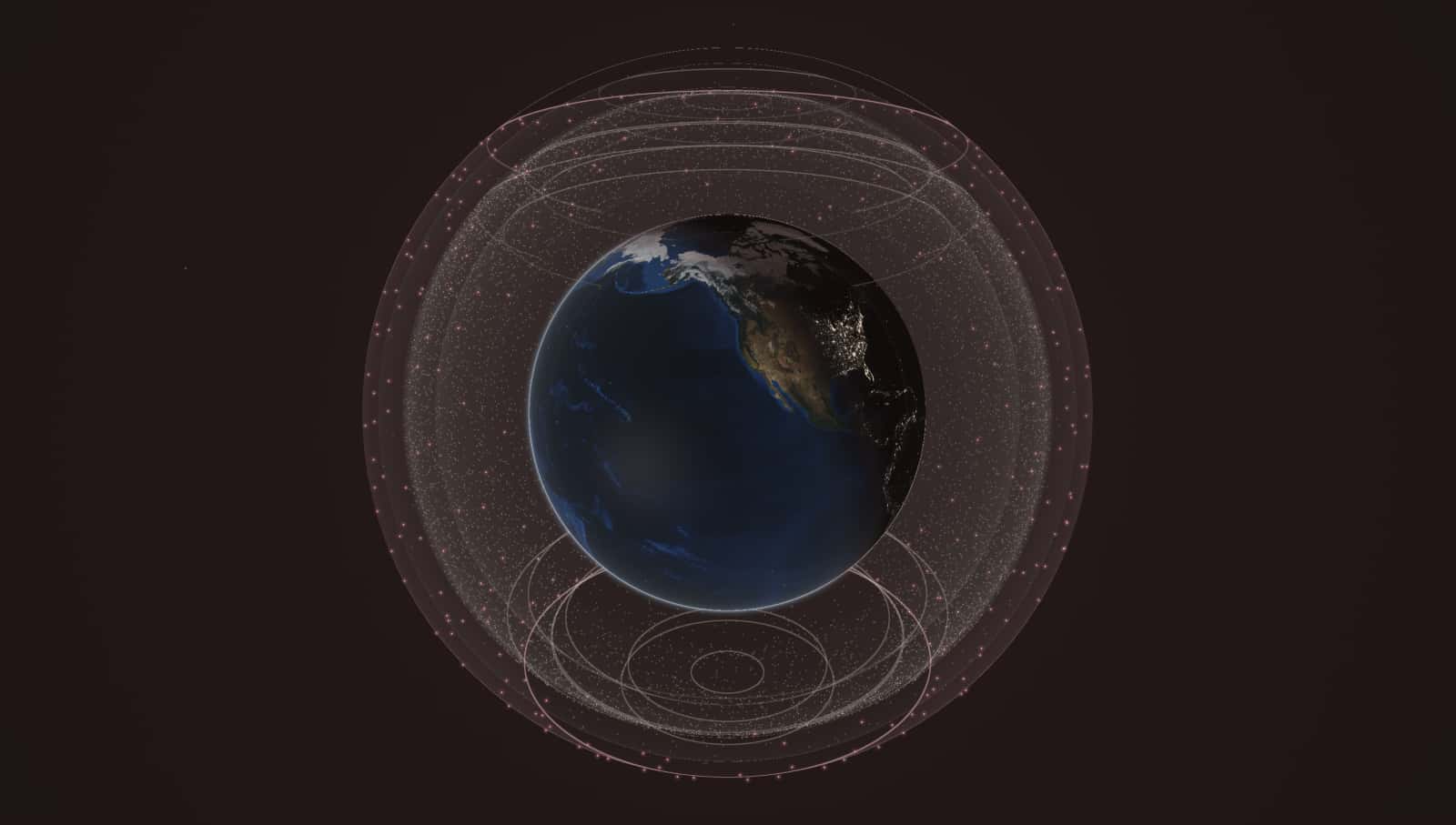
On Jul 30, 2026, the day Amazon Leo’s first FCC licence set for having half its satellites in orbit, about 392 were up by tracker count against the 1,616 required. The licence didn’t lapse, because a conditional FCC waiver granted on Jun 5 had already set out what would happen next. The same day, Amazon said its fleet was large enough to begin initial service in 2026, with no US date, plan or price.
The count on the day
| Figure | Number | Who says so |
|---|---|---|
| Satellites required in orbit by Jul 30, 2026 | 1,616 | FCC, order DA 26-553 |
| Satellites in orbit that day | about 392 | Tracker-derived: 398 launched minus 6 reentered (CelesTrak, Jonathan McDowell) |
| Amazon’s own description | “nearly 400” | Amazon Q2 2026 results, Jul 30, 2026 |
| Full first-generation fleet | 3,232, due Jul 30, 2029 | FCC, order DA 26-553 |
About 392 is roughly 24% of the half-way figure. Amazon never states that exact count; it says “nearly 400”. In January, Amazon had told the FCC it expected about 700 satellites by this date, so the fleet came in roughly 300 short of its own forecast.
Why the licence survived
A conditional waiver the FCC’s Space Bureau granted on Jun 5 kept the licence in force past the missed date, with all 3,232 satellites still due by Jul 30, 2029. Satellites launched after Jul 30, 2026 temporarily lose their priority status, and the order ties Amazon’s surety bond to the milestone; our post on the waiver walks through each condition.
What Amazon said the same day
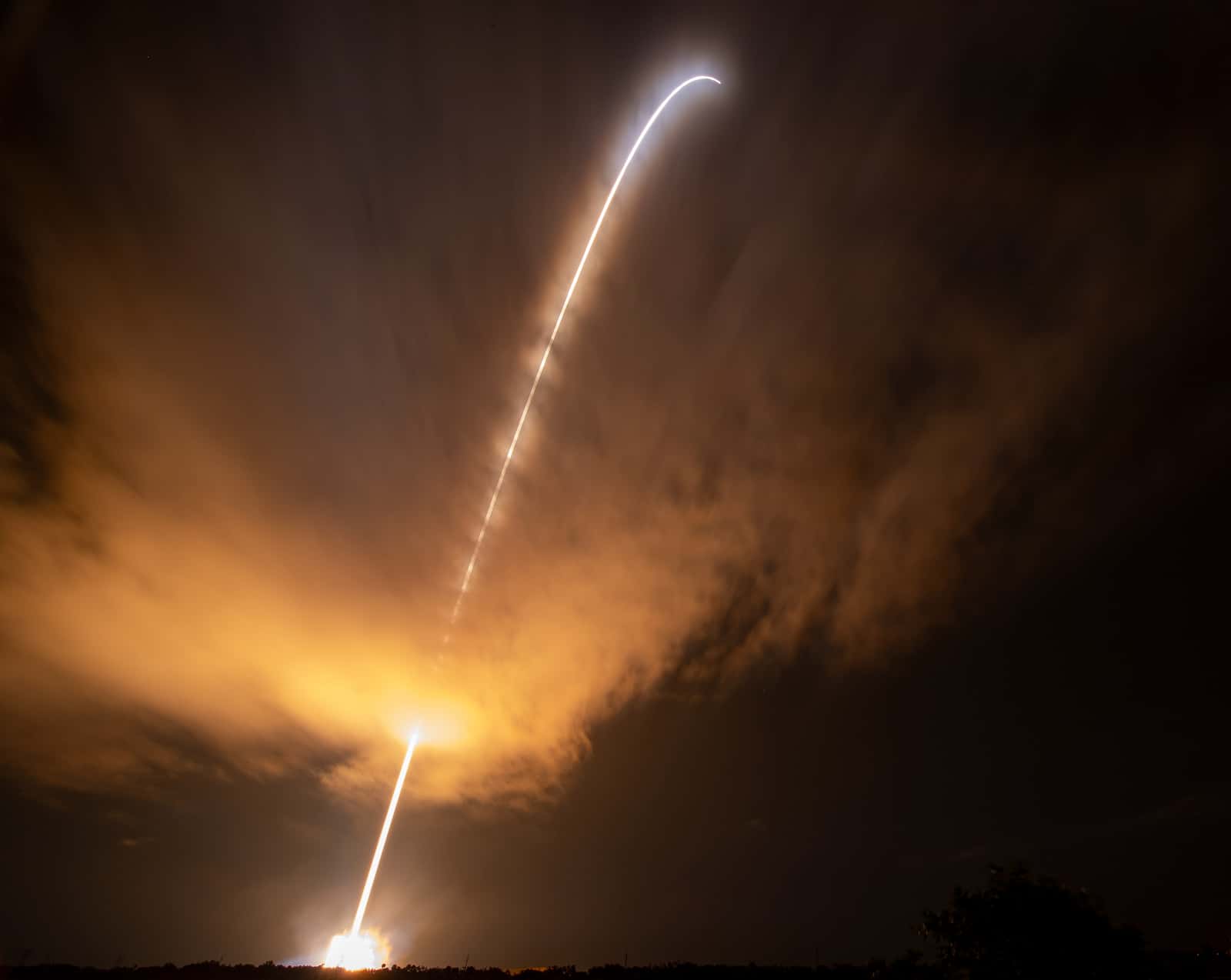
Amazon’s Q2 2026 results said four more launches had brought the fleet to “nearly 400 satellites in orbit”, which Amazon called “enough to begin initial satellite internet service this year”. Two weeks earlier, on Jul 15, it had added a limit: initial service “across certain latitudes”. Neither statement names the US, a state, a date or a price.
What the date changed
The deadline didn’t end Amazon Leo. It changed how every satellite launched afterwards ranks, until 2028 or until half the fleet is up, and it left Amazon’s 2026 goal resting on “initial service” in latitudes it hasn’t named. That phrase isn’t the same thing as home service in the US; our explainer on initial service sets out what it does and doesn’t promise.
Check whether waiting fits you
Common questions
Did Amazon Leo lose its FCC licence when it missed the July 2026 target?
How many satellites did Amazon Leo have on Jul 30, 2026?
How far short of its own forecast was Amazon Leo on Jul 30, 2026?
Deciding whether to wait for Amazon Leo? Take the buy-or-wait check: a few quick questions give one dated answer.
Read next
How these facts were checked
We read every source listed below on the date shown. Quotes are copied from the source text and matched to it word for word, and every Amazon Leo item carries a label for how sure it is (confirmed, announced, planned, reported, unconfirmed or not announced). This post was drafted with AI assistance from those sources, and each number, date and quote was checked against them. It is dated: if the story moves on, we add a dated update instead of quietly rewriting it. Read the editorial policy.
Where each fact comes from
- Amazon Q2 2026 earnings release (Jul 30, 2026) · checked
- FCC Space Bureau, order DA 26-553 (Kuiper milestone waiver, Jun 5, 2026) · checked
- Amazon: Herotel and Evry agreements in South Africa (Jul 15, 2026), 'certain latitudes' line · checked
- Jonathan McDowell, Kuiper satellite statistics (tracker) · checked
- Amazon Leo mission updates (LV-01 and LE-04 dates) · checked