Published
As of Nov 3, 2026, “initial service” is Amazon’s phrase for a first rollout of Amazon Leo (formerly Project Kuiper) in “certain locations” and “certain latitudes”. Amazon hasn’t said it includes US homes, and it has given no US date or price. Its newest statement, in its third-quarter results of Oct 29, 2026, says only that Amazon “remains on track to begin initial service” of Leo “later this year”.
Read that sentence the way Amazon wrote it. It promises a start, somewhere, this year. It doesn’t promise a start for you.
The exact words Amazon has used, and when
Every 2026 statement in which Amazon described where and how service begins, oldest first:
- Feb 12: Leo “will begin rolling out to customers in 2026 once we’ve deployed more satellites and added coverage and capacity to the network, with service beginning in northern and southern latitudes and expanding gradually toward the Equator.”
- Jul 15: “enough to start providing initial service this year across certain latitudes”.
- Jul 27: “providing enough coverage to begin rolling out fixed service across initial latitude bands later this year.”
- Jul 30 (Q2 results): “nearly 400 satellites in orbit”, “enough to begin initial satellite internet service this year”.
- Sep 22: “We expect to begin rolling out initial service in certain locations later this year, and will expand coverage as we launch more satellites and add coverage and capacity to the network.”
- Oct 29 (Q3 results): “Remains on track to begin initial service of its Amazon Leo low Earth orbit satellite service later this year”.
Notice what never appears: a country, a state, a date, a price, or the words “home” or “household”. Amazon’s earlier targets all passed without a public launch: earliest customers in late 2024 (a 2023 plan), first customers by the end of 2025 (said in September 2025), and a launch “scheduled” for mid-2026 (its CEO’s April 2026 letter). Our launch-date page keeps the full list of targets, kept and missed.
The stages so far: employees, select businesses, then “initial service”
Amazon has moved through stages, and each one is narrower than “you can order it”. This ladder shows where things stand:
| Stage | Status | Date | Source |
|---|---|---|---|
| Enterprise preview: select businesses test production Leo Pro and Leo Ultra | Confirmed | Began Nov 24, 2025 | Amazon |
| Employees test the service alongside that preview | Confirmed | First said Sep 22, 2026 | Amazon |
| Initial service “in certain locations” | Announced, no date | “Later this year” (restated Oct 29, 2026) | Amazon |
| US households can order | Not announced | None | leo.amazon.com, read Nov 3, 2026 |
| Full first-generation network of 3,232 satellites | FCC deadline | Jul 30, 2029 | FCC DA 26-553 |
The enterprise preview. On Nov 24, 2025, Amazon said it “is shipping units of Leo Pro and Leo Ultra to select companies as part of this new enterprise preview”, ahead of what it then called a wider commercial rollout in 2026. Its FAQ says the preview lets “select business customers to begin testing the network using production hardware and software.” Amazon hasn’t said which countries the preview companies are in.
Employee testing. On Sep 22, 2026, Amazon said Leo “is currently testing the service with employees and with select enterprise customers as part of a private preview.” That’s the closest thing to a household test Amazon has described, and it’s closed to the public.
Households today. The only thing a household can do is “Join the list” on leo.amazon.com, an email sign-up for news. It takes no deposit and holds no place in line.
Why nearly 400 satellites can start service but not serve everyone
Two different things limit a satellite network: coverage and capacity.
Coverage is whether a satellite is overhead at your location often enough for a steady connection. Capacity is how many homes those satellites can serve at once without slowing down. A few hundred satellites can cover some latitudes well and still have room for only a limited number of customers.
Amazon’s own numbers show the gap between starting and finishing:
- 2019: Amazon’s FCC application, as the FCC summarized it in its 2020 order, said “service will begin once the first 578 satellites are launched.”
- 2026: Amazon says “nearly 400” are enough to begin initial service.
- FCC licence: half of the 3,232 first-generation satellites (1,616) were due by Jul 30, 2026. Amazon missed that date. A June 2026 FCC order let the licence continue with conditions, and all 3,232 are still due by Jul 30, 2029.
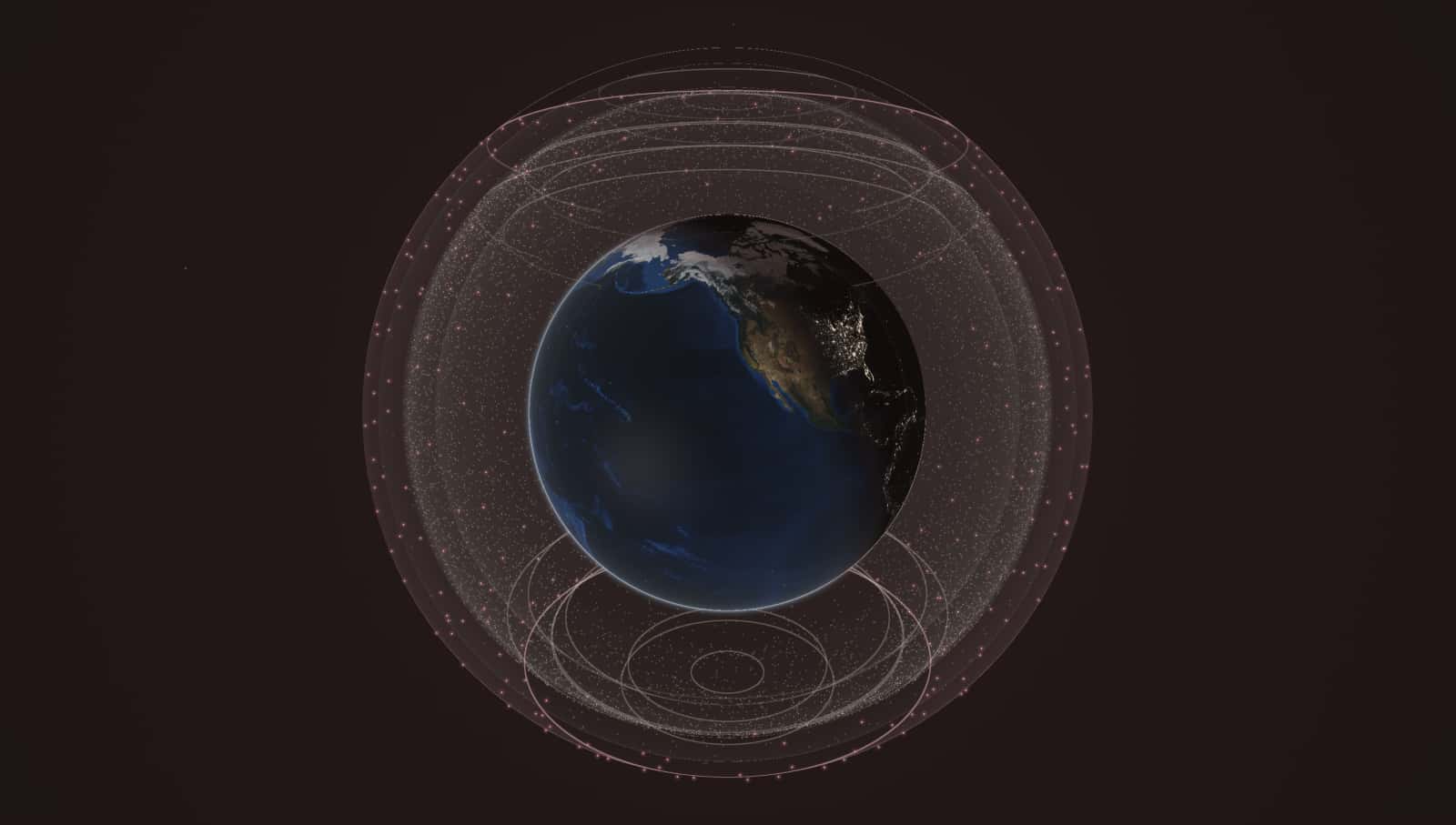
By tracker data from late October, every Leo satellite launched so far sits in the network’s 51.9-degree shell, the one that reaches farthest north and south. Satellites in a tilted orbit spend more time near the top and bottom of their path, so that shell covers the higher mid-latitudes best. That fits Amazon’s “northern and southern latitudes” wording, but Amazon hasn’t said which latitudes, or which countries, come first.
Broadband Breakfast reported on Oct 9, 2026 that, according to Amazon Leo’s head, the existing satellites already had enough capacity to start service and Amazon was adding resiliency first. That’s a press account of an interview, not an Amazon announcement, and it gives no date.
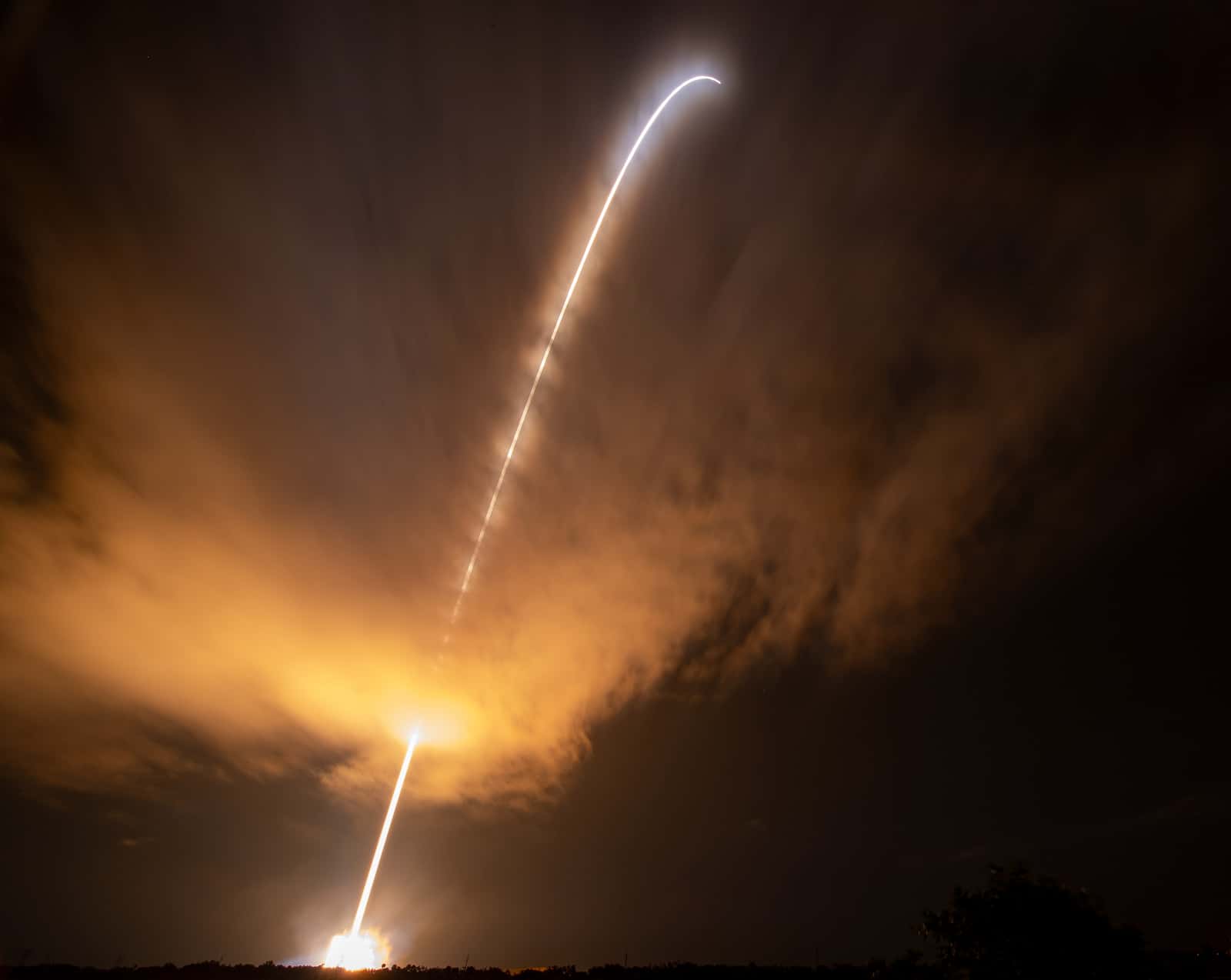
The constraint now is rockets. Amazon says it has built more than 1,000 satellites, while nearly 400 are in orbit and none has launched since Jul 2, 2026. Live counts are on our launch tracker.
Where the first users are
Every customer Amazon has named so far is a business, a government body or a partner abroad:
- Businesses in the preview (since November 2025).
- AT&T business customers in the US. AT&T, AWS and Amazon Leo announced on Feb 4, 2026 that AT&T would deliver Leo fixed broadband “to business customers in areas where such services are needed.” On Sep 8, AT&T said details on availability, pricing and configurations for enterprise customers would come “in the coming months” (as reported by Satellite Today). On Sep 18, Amazon called AT&T “the first major U.S. telecommunications provider to offer Amazon Leo’s satellite broadband to its business customers.”
- Partners abroad. Australia’s nbn says eligible customers can expect to begin moving to its Leo-based service “from around mid-2027”. South Africa’s Herotel plans a home service called evry, expected commercially in 2027.
- Airlines. JetBlue plans Leo Wi-Fi from 2027 and Delta from 2028.
None of these sells to US households. Our availability page tracks each agreement by status.
What would show home service is close
You don’t need to guess from launch counts. Amazon would have to publish specific things before a US household could sign up, and each is easy to check:
- A US plan and price page. leo.amazon.com had none on Nov 3, 2026.
- An order or reservation button in place of “Join the list”.
- A change to the footer. Amazon’s site says it can’t sell or lease the antennas yet, pending an FCC step our FCC approval explainer walks through.
- A coverage map or address check. leo.amazon.com has neither.
- Named US states or regions for the first latitude bands.
Some events look like signs but aren’t. A rocket launch adds satellites, not customers. The FCC terminal licences granted on Jun 12, 2026 let Amazon operate user terminals on its network, a separate step from selling them. A new business agreement or a demo shows progress for businesses, not an order page for homes.
How to read “later this year” if you’re waiting
Treat it as a company target for a first, limited rollout, not a household date. Amazon has missed earlier targets, and even a rollout that starts on time begins in places Amazon hasn’t named. If your plans depend on Leo at your address by a certain month, nothing Amazon has published supports that yet. When any of the five signs above appears, the tracker and the Leo overview will log it with its date.
Common questions
Does 'initial service' mean I can order Amazon Leo for my home?
What is the Amazon Leo enterprise preview?
How many satellites does Amazon Leo need?
Read next

How these facts were checked
Every claim in this post comes from the sources listed below, each read on the date shown, and Amazon Leo items say how sure they are (announced, reported, not announced). This post was drafted with AI assistance from those sources; the site owner checked each number, date and quote against them before it went up. Read the editorial policy.
Where each fact comes from
- Amazon Q3 2026 earnings release · checked
- Amazon: Amazon Leo in Uzbekistan (employee testing, certain locations) · checked
- Amazon: Leo Ultra and the enterprise preview · checked
- Amazon: first Ariane 64 mission (northern and southern latitudes) · checked
- Amazon Q2 2026 earnings release · checked
- FCC DA 26-553 (milestone waiver) · checked
- Broadband Breakfast: Amazon Leo aiming to sway consumers from Starlink (reported interview) · checked
- Amazon: UN General Assembly 2026 (AT&T and business customers) · checked
- AT&T, AWS and Amazon Leo collaborate (Feb 4, 2026) · checked
- Satellite Today: AT&T Business expands work with Amazon Leo (Sep 8, 2026) · checked
- Amazon: South Africa, Herotel and evry (Jul 15, 2026; certain latitudes) · checked
- Amazon: direct-to-device explained (Jul 27, 2026; initial latitude bands) · checked
- nbn: a major step closer to nbn LEO (Australia) · checked
- Amazon Leo aviation page (JetBlue 2027, Delta 2028) · checked
- Amazon Leo FAQ (enterprise preview) · checked
- Amazon Leo US site (Join the list, device footer) · checked
- Amazon: how Amazon Leo builds satellites (1,000 built) · checked
- FCC 20-102: Kuiper Systems authorization (578 satellites to begin service) · checked
- FCC public notice SES-02872 (terminal licences, Jun 12, 2026) · checked
- Amazon: first look at Project Kuiper's customer terminals (Mar 2023 target) · checked
- Amazon: JetBlue and Project Kuiper (Sep 2025 target) · checked
- Andy Jassy, 2025 letter to shareholders (mid-2026 target) · checked