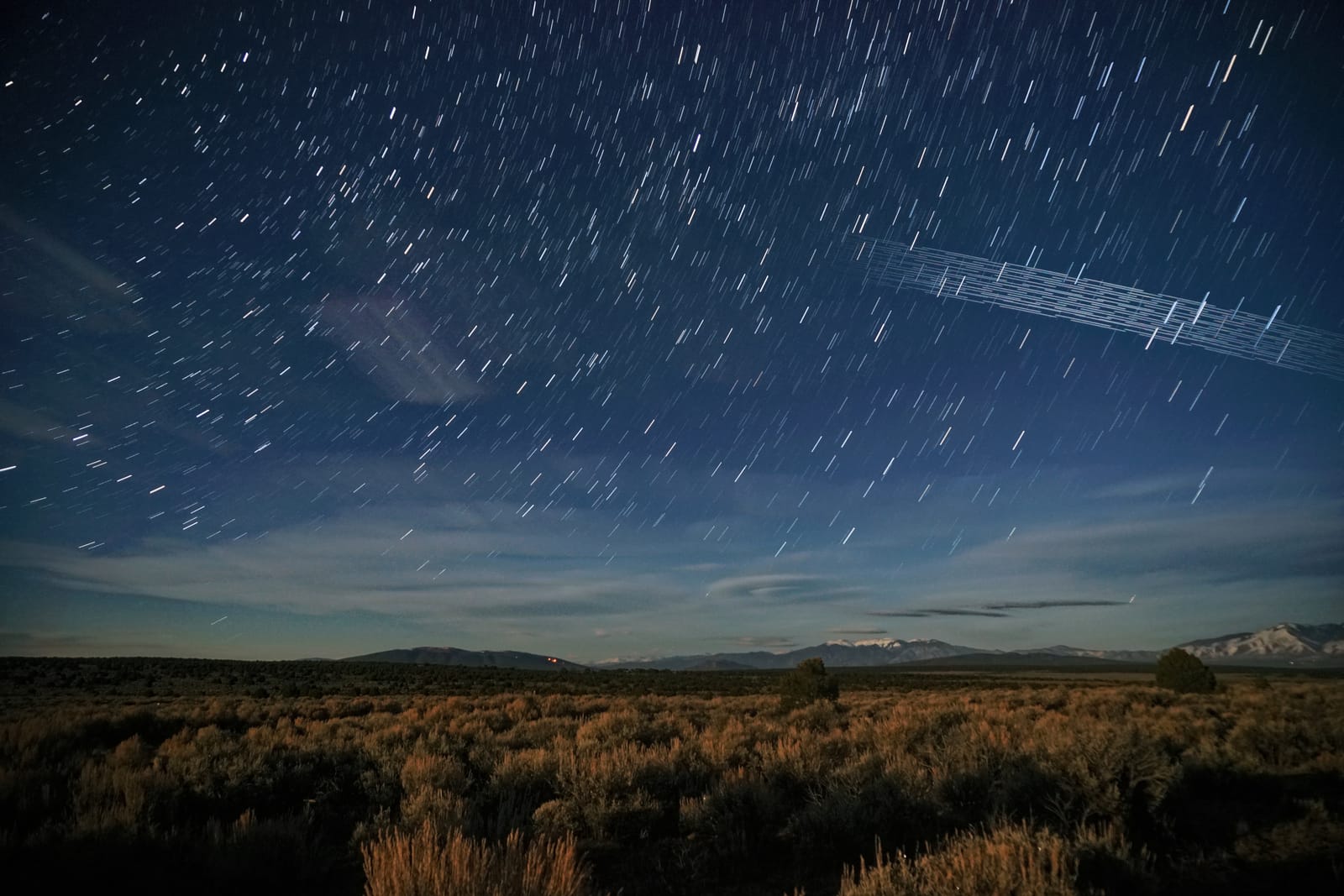
BackgroundEvent · source: aboutamazon.comPublished · no paid links in news
Primary source: Amazon: Amazon Leo plans to double its launch rate (Mar 23, 2026)
On Mar 23, 2026, Amazon said it was “on pace to more than double our annual launch rate to over 20 missions” in its second year of deploying Amazon Leo. As of Nov 3, 2026, three missions count toward that year, and none has flown since Jul 2.
What Amazon announced
- More than 200 Leo satellites in orbit, and over 200 more stacked and ready to fly.
- A first year on pace for 11 launches, counting three planned for April.
- More than 20 missions in year two, including the first flights on Blue Origin’s New Glenn (48 satellites per early mission) and ULA’s Vulcan (40).
- A factory that can build up to 30 satellites a week.
The plan rested on two rockets that hadn’t flown for Leo yet.
The tally since
| Mission | Date | Rocket | Satellites | Counted in |
|---|---|---|---|---|
| LA-05 | Apr 4, 2026 | Atlas V | 29 | Year one |
| LA-06 | Apr 28, 2026 | Atlas V | 29 | Year one |
| LE-02 | Apr 30, 2026 | Ariane 64 | 32 | Year one |
| LA-07 | May 29, 2026 | Atlas V | 29 | Year two |
| LE-03 | Jun 17, 2026 | Ariane 64 | 36 | Year two |
| LA-08 | Jul 2, 2026 | Atlas V | 29 | Year two |
| LV-01 | Nov 13, 2026 (targeted, pending range approval) | Vulcan | 40 planned | Year two, if it flies |
| LE-04 | No earlier than Nov 23, 2026 | Ariane 64 | 36 planned | Year two, if it flies |
Six missions flew between Apr 4 and Jul 2, but Amazon’s “11 launches in our first year” includes the three April flights. That leaves three in year two so far. None of them used New Glenn or Vulcan.
Why the count stalled
New Glenn exploded in a ground test on May 28 and Vulcan stayed on hold after a February booster anomaly, as SpacePolicyOnline reported, while LA-08 on Jul 2 used the last Atlas V Amazon bought; our explainer on Leo’s rockets covers each one, and our post on the explosion has that day’s detail.
How far behind
Amazon’s first production launch was on Apr 28, 2025, and it counted launches through Apr 30, 2026 in year one. By that count, year two runs roughly from May 2026 into spring 2027. That window is our reading, not an Amazon date. Getting past 20 would take at least 18 more missions in what’s left of it, including LV-01 and LE-04 if they fly. That’s our arithmetic.
Why it matters at home
Amazon ties wider service to launching more satellites and adding coverage and capacity, so the launch rate is the best public yardstick for how fast coverage can grow. The Mar 23 plan set that yardstick at more than 20 missions a year; seven months on, the pace is a fraction of it, and any coverage timeline built on the plan has slipped with it.
Common questions
How many Amazon Leo launches have flown in year two?
Which launches did Amazon count in its first year?
When does Amazon Leo's second launch year end?
Deciding whether to wait for Amazon Leo? Take the buy-or-wait check: a few quick questions give one dated answer.
Read next

How these facts were checked
We read every source listed below on the date shown. Quotes are copied from the source text and matched to it word for word, and every Amazon Leo item carries a label for how sure it is (confirmed, announced, planned, reported, unconfirmed or not announced). This post was drafted with AI assistance from those sources, and each number, date and quote was checked against them. It is dated: if the story moves on, we add a dated update instead of quietly rewriting it. Read the editorial policy.
Where each fact comes from
- Amazon: Amazon Leo plans to double its launch rate (Mar 23, 2026) · checked
- Amazon Leo mission updates (completed missions, LV-01 and LE-04) · checked
- SpacePolicyOnline: New Glenn explodes during pre-launch test (May 28, 2026) · checked
- SpacePolicyOnline: Atlas V launches more Amazon Leos (Jul 2, 2026), Vulcan on hold · checked